
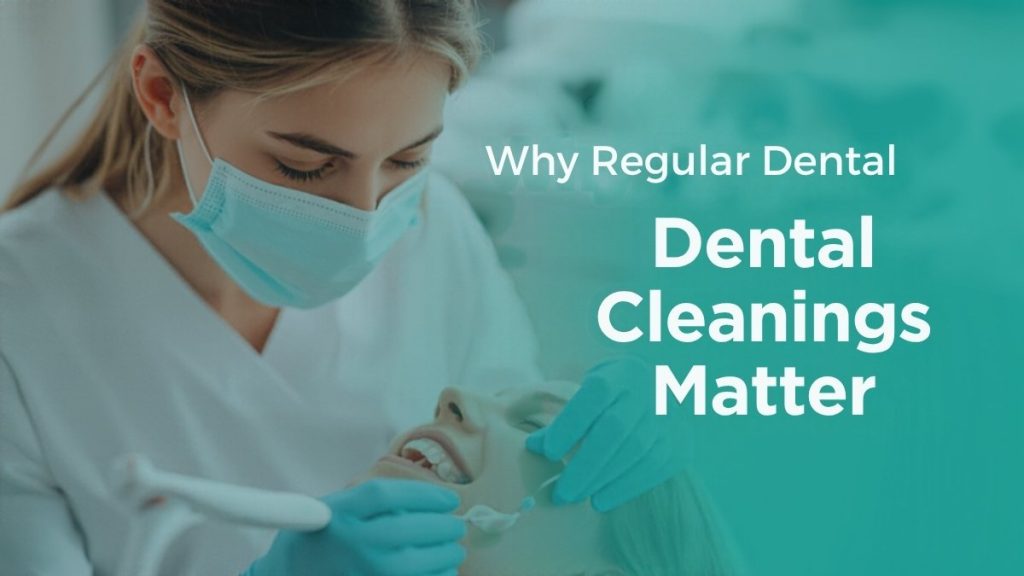
Regular dental cleanings are one of the simplest and most effective ways to protect your smile for life. Even if you brush twice a day and floss faithfully, plaque still builds up in hard-to-reach spots and hardens into tartar. Once tartar forms, a toothbrush can’t remove it — that’s where your hygienist comes in.
In this guide, our Culpeper Family Dental team explains what happens during a professional cleaning, the proven benefits of staying on schedule, and how to make every visit easy and comfortable.
What Happens During Professional Dental Cleanings?
Most patients are surprised by how quick and comfortable a routine cleaning is. A typical visit takes 30 to 60 minutes and includes a few simple steps:
- A quick health review — we check for changes in your medical history or medications.
- A gentle exam — your hygienist looks at your teeth and gums for signs of inflammation, decay, or other concerns.
- Plaque and tartar removal — small instruments carefully clear buildup above and just below the gumline.
- Polishing — a gritty paste smooths the tooth surface and removes surface stains.
- Professional flossing — we clean between every tooth and point out any areas that need extra attention.
- X-rays when needed — these help us see between teeth and below the gums.
If it has been a while since your last appointment, don’t worry. We will explain each step so you always know what to expect.

7 Proven Benefits of Regular Dental Cleanings
1. Fewer cavities
Plaque produces acids that wear down enamel. Removing it regularly lowers your risk of tooth decay and the fillings that come with it.
2. Healthier gums
Tartar along the gumline irritates the gums and can lead to gingivitis. Caught early, gingivitis is usually reversible. Left alone, it can progress to periodontitis, a leading cause of tooth loss in adults.
3. Early detection of problems
Each visit gives your dentist a chance to spot small issues — a cracked filling, a weak spot in the enamel, or an unusual area in the mouth — before they become painful or costly.
4. A brighter smile
Coffee, tea, and red wine leave surface stains. Polishing removes many of them, so your teeth look cleaner and brighter after every appointment.
5. Fresher breath
Persistent bad breath often comes from bacteria trapped in plaque and below the gums. A thorough cleaning helps keep your breath fresh.
6. Support for your overall health
Research has linked gum disease with other health conditions, including heart disease and diabetes. Keeping your gums healthy is a smart part of caring for your whole body.
7. Savings over time
Preventive care costs far less than treating advanced decay or gum disease. Many insurance plans cover routine dental cleanings, and our financial options can help with the rest.
How Often Should You Get Dental Cleanings?
Many people do well with a cleaning every six months. However, the right schedule depends on your oral health. Patients with a history of gum disease, diabetes, braces, or frequent cavities may benefit from visits every three to four months.
The American Dental Association recommends that you see your dentist regularly at intervals your dentist recommends. For more detail, read our guide on how often you should visit the dentist.
Tips to Keep Your Teeth Clean Between Visits
- Brush twice a day for two minutes with fluoride toothpaste.
- Clean between your teeth once a day with floss or interdental brushes.
- Replace your toothbrush every three to four months.
- Limit sugary snacks and drinks, and drink plenty of water.
- Don’t smoke or use tobacco products.
Feeling nervous about your appointment? Our article on managing dental anxiety shares simple ways to feel more relaxed in the chair.
Skipping cleanings is one of the biggest risk factors for gum disease. If your gums bleed or feel tender, read our guide to gum disease treatment in Culpeper — and remember that most insurance plans cover preventive cleanings at little or no cost. See our Culpeper dental insurance and Medicaid guide.
Related Culpeper Dental Guides
- How to Choose a Family Dentist in Culpeper, VA
- Gum Disease Treatment in Culpeper: Signs, Stages & Laser Therapy
- Dentist in Culpeper That Accepts Medicaid & Insurance
- Teeth Whitening in Culpeper: Professional vs. At-Home
Frequently Asked Questions
Do dental cleanings hurt?
Most people feel little or no discomfort. If your gums are sensitive, let your hygienist know — we can adjust our technique or use a numbing gel.
How long does a cleaning take?
A routine cleaning usually takes 30 to 60 minutes, including the exam.
Are dental cleanings safe during pregnancy?
Yes. Routine cleanings are safe and recommended during pregnancy, when hormonal changes can make gums more prone to inflammation.
Schedule Your Next Cleaning in Culpeper
Staying on top of your dental cleanings is one of the best investments you can make in your health. Our friendly team makes every visit gentle, efficient, and stress-free. Explore our dental services, request an appointment online, or call us at (540) 825-1366.