
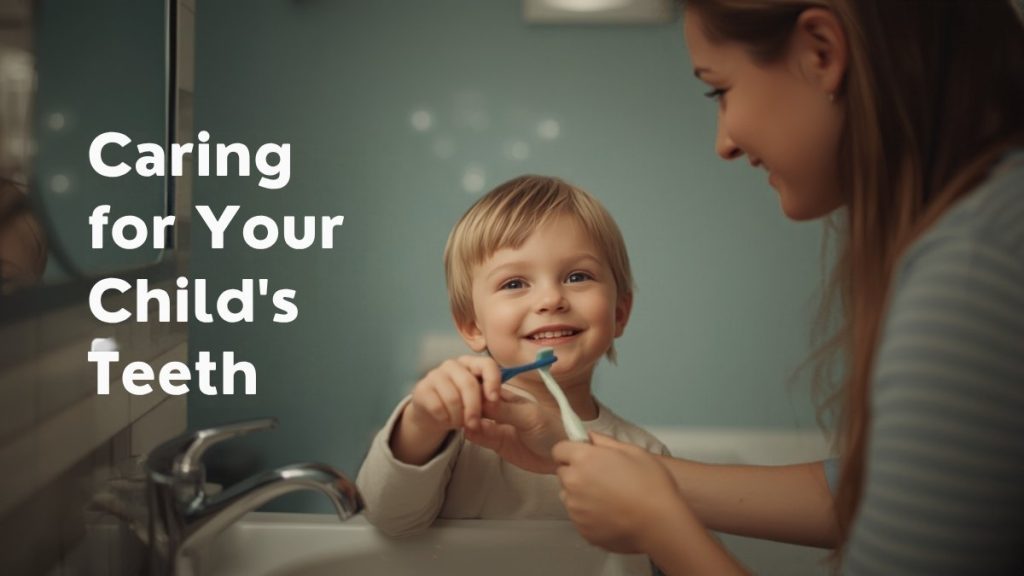
Caring for Your Child’s Teeth
Caring for your child’s teeth starts earlier than many parents expect — even before the first tooth appears. Healthy habits built in the early years protect your child’s smile, support speech and eating, and set the stage for strong adult teeth.
Our Culpeper Family Dental team shares easy, age-by-age tips to help your little one enjoy a happy, healthy smile.
Caring for Your Child’s Teeth From Birth to Age 3
- Before teeth arrive: Wipe your baby’s gums with a soft, damp cloth after feedings.
- First tooth: Brush twice a day with a soft, child-sized toothbrush and a smear of fluoride toothpaste about the size of a grain of rice.
- Bedtime: Avoid putting your baby to bed with a bottle of milk, formula, or juice, which can cause early tooth decay.
- First dental visit: Schedule it by your child’s first birthday or within six months of the first tooth.
Ages 3 to 6: Building Healthy Habits
- Use a pea-sized amount of fluoride toothpaste.
- Brush for two minutes, twice a day, and help your child until they can do it well on their own — usually around age 6 to 8.
- Begin flossing once teeth touch each other.
- Teach your child to spit out toothpaste rather than swallow it.
8 Easy Tips to Protect Your Child’s Teeth
1. Make brushing fun
Use a timer, a favorite song, or a sticker chart to turn brushing into a game.
2. Choose tooth-friendly snacks
Cheese, yogurt, fresh fruit, and vegetables are better choices than sticky candy or crackers.
3. Make water the go-to drink
Limit juice and sugary drinks. Tap water with fluoride helps strengthen enamel.
4. Lead by example
Children copy what they see. Brush and floss together as a family so your child’s teeth get the same care as yours.
5. Ask about dental sealants
Sealants are thin protective coatings painted on the chewing surfaces of your child’s back teeth to help prevent cavities.
6. Consider fluoride treatments
Professional fluoride varnish adds extra protection for your child’s teeth, especially for children at higher risk of decay.
7. Protect teeth during sports
A properly fitted mouthguard helps prevent chipped or knocked-out teeth.
8. Keep up with checkups
Most children should see the dentist every six months. Learn more in our guide on how often you should visit the dentist.
Signs Your Child May Need to See the Dentist
- White, brown, or dark spots on the teeth
- Complaints of tooth pain or sensitivity
- Red, swollen, or bleeding gums
- Trouble chewing or a sudden change in eating habits
Helping Your Child Feel Comfortable at the Dentist
Talk about dental visits in a positive way and avoid words like “hurt” or “shot.” Read a picture book about the dentist together, and bring a favorite toy. If your child seems nervous, our tips on managing dental anxiety can help the whole family. You can also review what to expect at a first visit.
For more guidance, the American Academy of Pediatric Dentistry offers helpful resources for parents.
How Diet Affects Your Child’s Teeth
What your child eats matters just as much as how they brush. Every time your child’s teeth are exposed to sugar or starch, mouth bacteria produce acids that attack enamel for about 20 minutes. Frequent sipping and grazing keep teeth under constant attack.
Try to serve snacks at set times rather than all day, offer water between meals, and save sweets for mealtimes when more saliva is present to help rinse them away. These small changes make a big difference in preventing cavities.
Ready for your child’s next checkup? Our Culpeper pediatric dentist guide covers sealants, space maintainers, and first visits. If your child knocks out or chips a tooth during sports, follow our dental emergency steps and call us right away.
Related Culpeper Dental Guides
- Pediatric Dentist in Culpeper: A Parent’s Guide
- Emergency Dentist in Culpeper: What to Do
- Wisdom Teeth Removal in Culpeper (for Teens)
- How to Choose a Family Dentist in Culpeper, VA
Frequently Asked Questions
When should my child first see a dentist?
By the first birthday, or within six months after the first tooth comes in.
Are baby teeth really important?
Yes. Baby teeth help children chew, speak clearly, and hold space for adult teeth. Decay in baby teeth can cause pain and infection.
When can my child brush alone?
Most children need help until about age 6 to 8, when they have the coordination to brush every surface well.
Schedule Your Child’s Dental Visit in Culpeper
We love helping kids feel confident about caring for their teeth. Request an appointment for your child or call us at (540) 825-1366.
Related reading: Pulpotomy, baby tooth crowns and space maintainers and sports mouth guards for young athletes.
Leave a reply